

Ultimate DPF Cleaning Guide: How to Clean a Diesel Filter

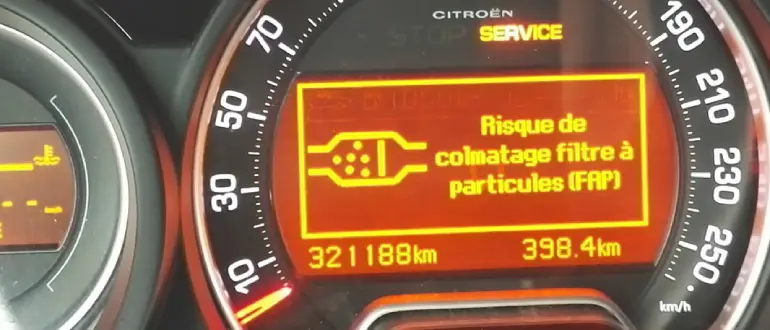
What is a DPF and Why Does It Get Clogged?
The Diesel Particulate Filter (DPF) is a critical component in modern diesel vehicles, designed to trap soot and reduce emissions. Over time, it can become clogged, leading to reduced performance, increased fuel consumption, and potential engine damage.
The DPF (Filtre à Particules in French) captures soot particles from diesel exhaust. To prevent blockage, the system periodically burns off accumulated soot in a process called regeneration.
Common Reasons for DPF Clogging:
- Short, low-speed trips (prevents regeneration)
- Poor-quality diesel or incorrect oil (increases soot production)
- Faulty sensors or injectors (disrupts regeneration)
- Excessive idling or stop-and-go driving
When the DPF becomes too clogged, the check engine light may illuminate, and the vehicle might enter limp mode.
How to Clean a DPF: 5 Effective Methods
1. Passive Regeneration (Highway Driving)
- Best for mild clogging
- Drive at highway speeds (100-120 km/h / 60-75 mph) for 20-30 minutes.
- Maintain engine RPM above 2,500 (varies by vehicle).
- This heats the DPF to 600°C+, burning off soot naturally.
Tip: If your car has a DPF warning light, this method may clear it.
2. Forced Regeneration (Using a Diagnostic Tool)
- Best for moderate clogging
- A mechanic (or advanced DIYer) can use a diagnostic tool (e.g., OBD2 scanner) to force a regeneration.
- The ECU increases exhaust temperatures to burn off trapped soot.
3. DPF Cleaning Additives
- Best for maintenance & mild cleaning
- Fuel additives (e.g., Wynn’s, Liqui Moly) lower soot combustion temperature.
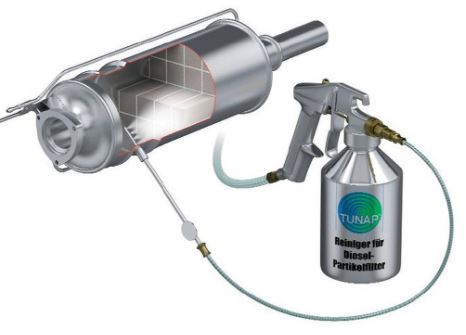
- Spray cleaners (e.g., JLM DPF Cleaner) can be injected into the exhaust.
4. Manual DPF Cleaning (Professional Service)
- Best for heavy clogging
- The DPF is removed and cleaned using compressed air, ultrasonic cleaning, or chemical soak.
5. DPF Replacement (Last Resort)
- Needed if the DPF is cracked, damaged, or persistent errors remain.
How to Prevent DPF Clogging
- Drive at highway speeds regularly (once a week)
- Avoid excessive idling & short trips
- Use low-ash engine oil (C3 or ACEA C2/C3 rated)
- Check for engine faults (glow plugs, EGR, injectors)
- Monitor DPF status with an OBD2 scanner
Final Thoughts
- Mild clogging? Try highway driving or additives
- Moderate blockage? Use forced regeneration
- Severe clogging? Opt for manual cleaning or replacement
